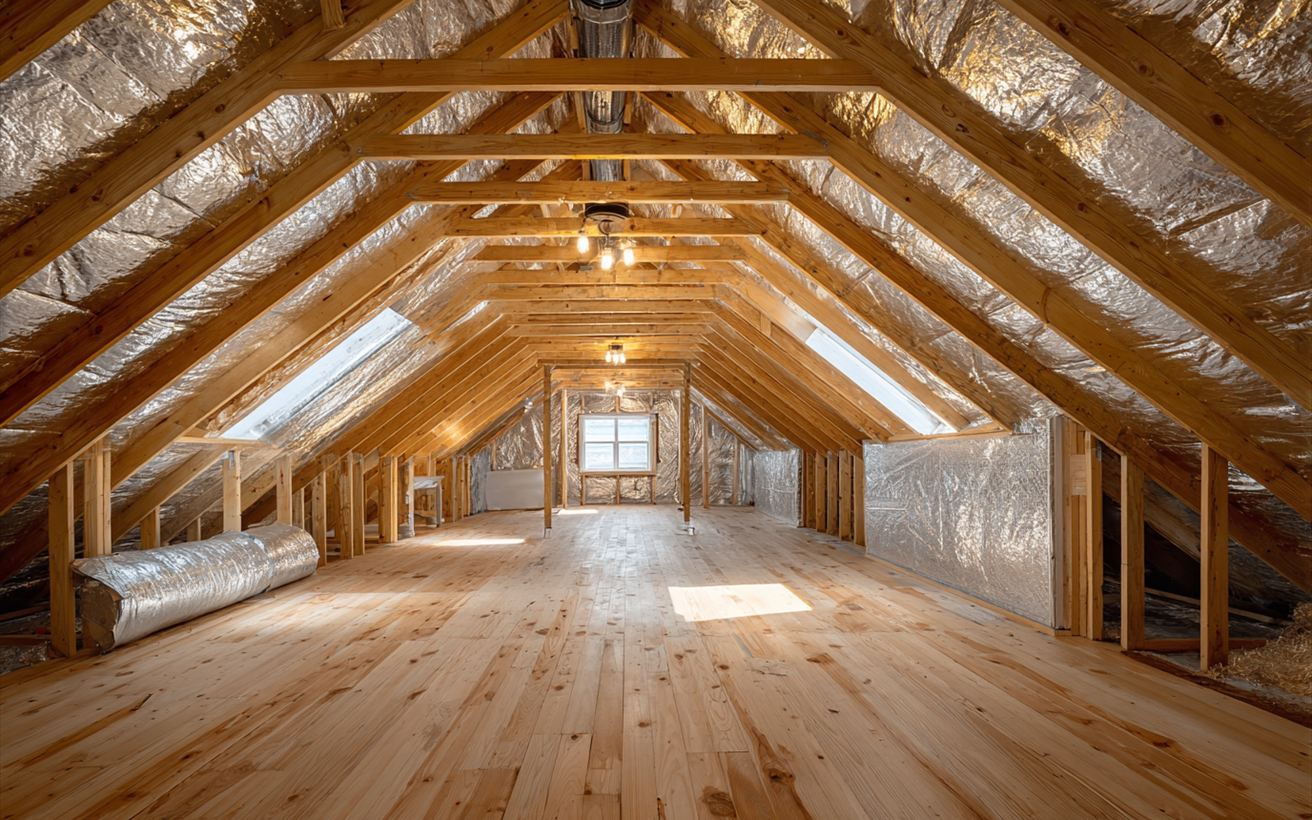
On a July afternoon around Huntsville, the air outside might be in the upper 90s. The attic above a dark shingle roof can be far hotter than that. All that heat has to go somewhere: up through the shingles, down into the house, or out through vents. How well an attic gets rid of heat has a lot to do with how long a roof lasts and how hard the air conditioner works.
How Heat Ages Shingles
Asphalt shingles are made of an asphalt-soaked mat topped with granules. Heat from the sun above and the attic below slowly dries out the asphalt. Over the years, shingles get brittle, curl at the edges, lose granules and crack. A roof over a cooler, well-ventilated attic ages more slowly than the same roof over a hot, closed-up one. Many shingle warranties also require proper ventilation.
Ventilation
Good attic ventilation works like a chimney. Cooler air comes in low, through vents in the soffits (the underside of the roof overhang), and hot air goes out high, through a ridge vent or other exhaust vents near the peak.
| Part | What goes wrong |
|---|---|
| Soffit intake | Blocked by insulation, paint or solid soffit panels |
| Ridge or exhaust vents | Too few, or mixed types that work against each other |
| Balance | Lots of exhaust with little intake, so the attic pulls air from the house instead |
| Bath and kitchen fans | Venting into the attic instead of outside, adding moisture |
Radiant Barriers
A radiant barrier is a reflective foil layer that reflects heat from the roof back up before it radiates into the attic. In hot, sunny climates like this one, it can noticeably cut attic temperatures. There are two common types:
- Radiant barrier decking: roof sheathing with foil already bonded to the underside, installed when the decking is replaced.
- Foil stapled under the rafters: added to an existing attic.
Radiant barriers work best alongside good ventilation and insulation, not instead of them.
The Best Time to Fix It
A roof replacement is the easiest time to fix attic heat. The roofer can cut in a continuous ridge vent, open or add soffit vents, remove old vents that fight the new system, and install radiant barrier decking where boards are being replaced anyway. ENERGY STAR's guide to sealing and insulating the attic covers the insulation side.
Signs Your Attic Runs Too Hot
- shingles curling or blistering faster than the neighbors'
- upstairs rooms that never cool down in summer
- a very hot attic hatch or pull-down stairs
- dark streaks of moisture on the decking in winter
- insulation pushed up against the soffits with no gap for air
Questions
Does a radiant barrier help in winter?
It can slightly reduce heat loss, but its main benefit in Texas is in summer.
Can I add ventilation without a new roof?
Often, yes. Soffit vents can be opened or added, and some exhaust vents can be added. A continuous ridge vent is easiest during a reroof.
Do lighter shingles help?
Lighter colors reflect a bit more heat, but ventilation and a radiant barrier usually make a bigger difference.
Around Huntsville
Attic heat matters most on older homes in Downtown and the Square and on big new-build roofs around Panorama Village. It's a key part of roof replacement.
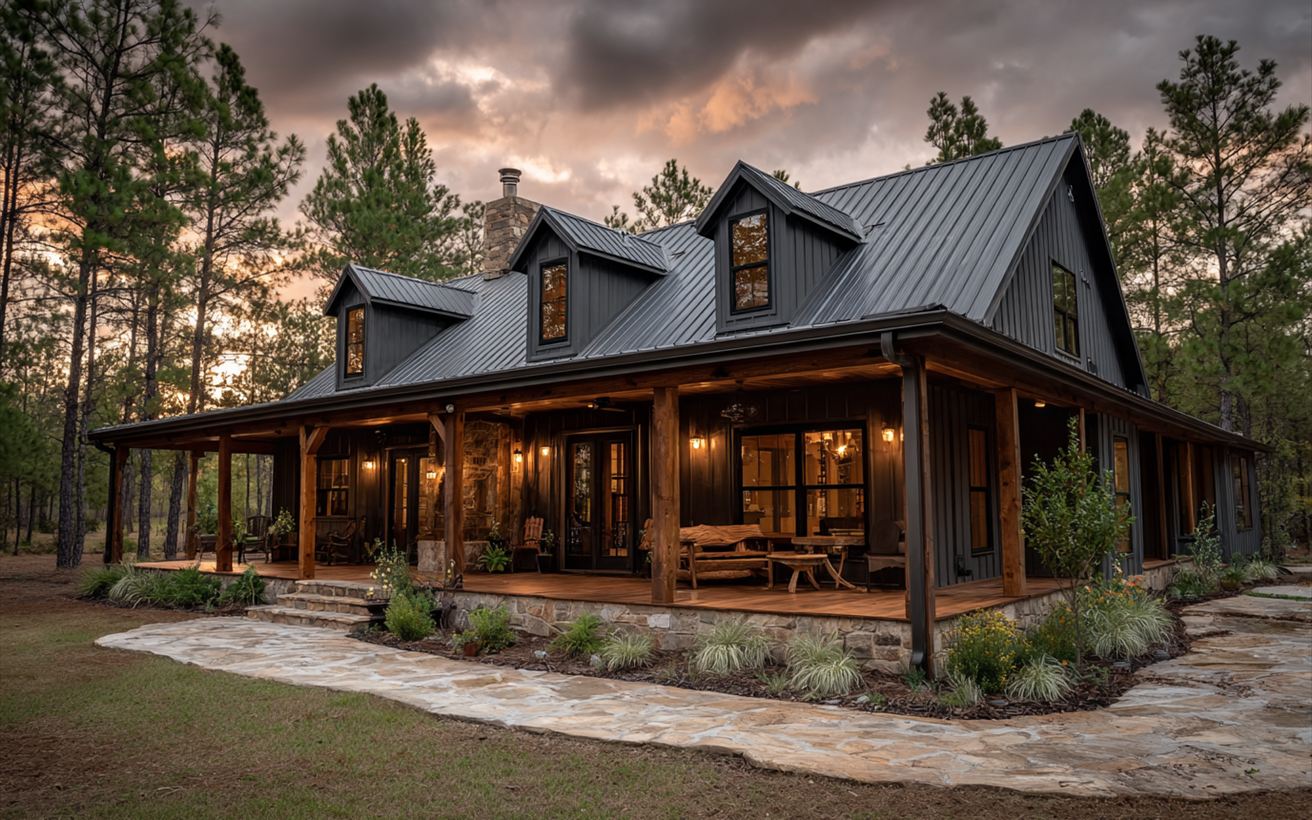
Metal or Shingles in East Texas Heat
Cost, life, heat, hail and noise, side by side.
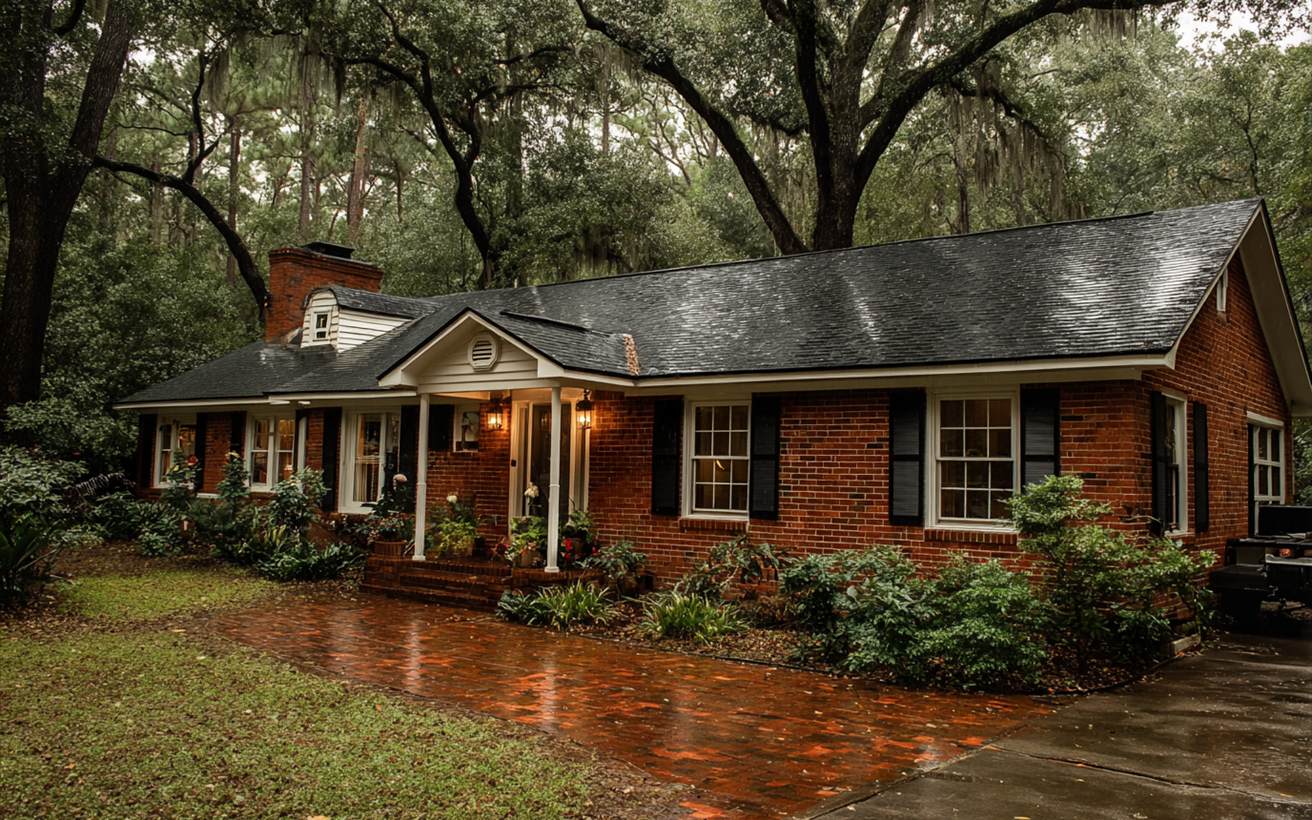
Why New Roof Prices Differ So Much in East Texas
Ten things that move the price, no made-up numbers.