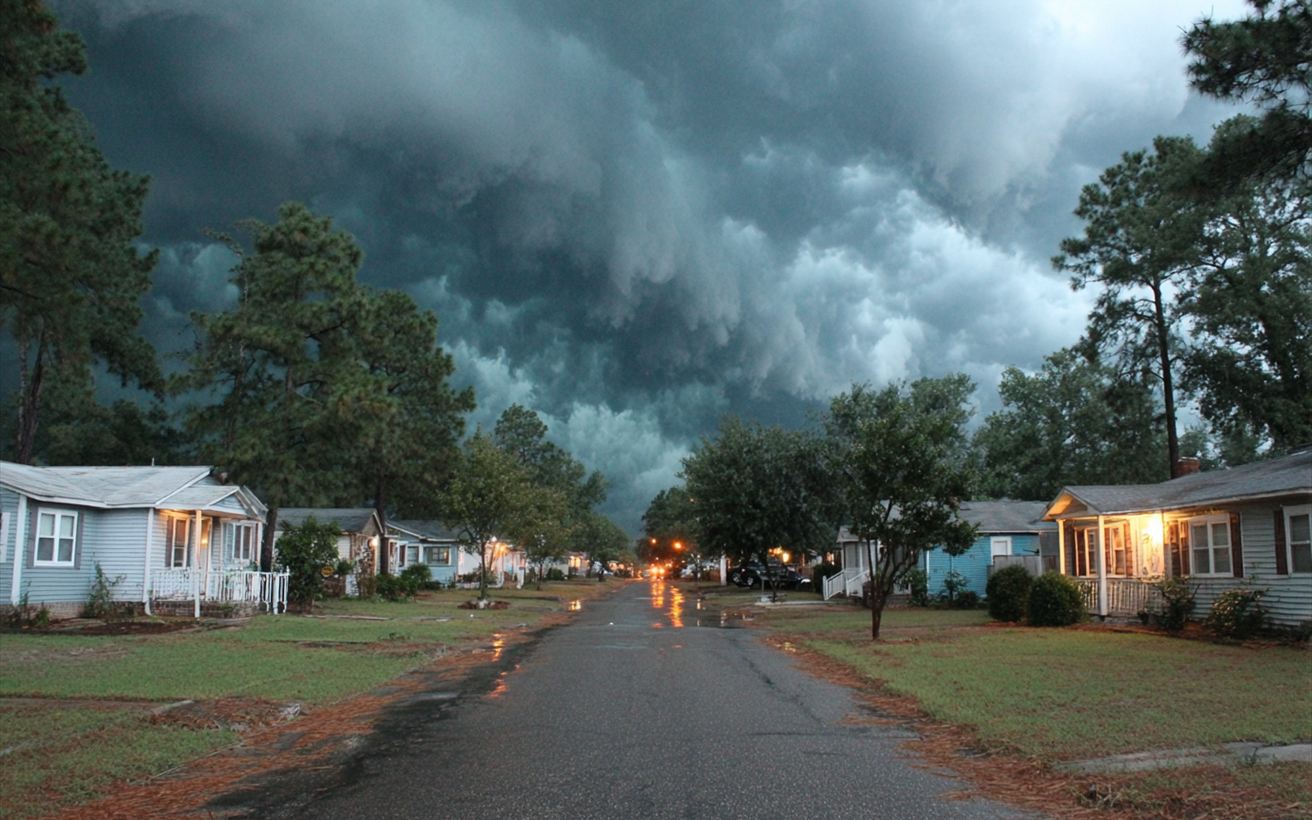
Huntsville is a long way from the Gulf, roughly 70 miles north of Houston, and people sometimes assume hurricanes are a coastal problem. They aren't, entirely. Storms that come ashore on the upper Texas coast weaken as they move inland, but they can still bring damaging wind, many hours of heavy rain, and, in pine country, falling trees. When Hurricane Ike came ashore at Galveston in September 2008 as a Category 2 storm, its damage reached deep into East Texas, including a significant share of the region's timber.
How Inland Storm Damage Is Different
| Coast | Inland, around Huntsville and Conroe |
|---|---|
| Storm surge and flooding from the sea | No surge |
| Strongest winds | Weaker but still damaging gusts, often for hours |
| Damage to roofs from wind and debris | Damage from wind, falling trees and limbs |
| Rain | Long, heavy rain that finds every weak spot in a roof |
| Power outages | Power outages that can last days in wooded areas |
What Roofs Go Through
- Hours of wind: even moderate gusts, sustained over hours, work shingle edges loose and break aging seal strips.
- Falling trees: soaked ground plus wind brings pines down, sometimes onto houses, shops and carports.
- Long rain: a roof that only drips in short storms can leak badly when rain lasts all day.
- Debris: limbs and other debris scrape and puncture roofs.
Before a Storm Arrives
When forecasters warn that a Gulf storm will move inland:
- photograph the roof and your property from the ground, so you have "before" pictures
- clear gutters and valleys, if it can be done safely and without climbing
- know where your insurance information is
- secure loose items around the yard that could blow into the house
Forecasts and warnings for this area come from the National Weather Service in Houston/Galveston.
After the Storm
- Stay safe first. Watch for downed power lines and leaning trees. Don't go on the roof.
- Photograph damage from the ground and inside.
- Cover openings if water is coming in: a roofer can tarp the roof once it's safe.
- Report claims to your insurer.
- Choose a roofer carefully. After a widespread storm, roofers come from everywhere. See checking a Texas roofer.
Why Calling Early Helps
After a big storm, roofers across the region get busy at once. Temporary covers come first, then permanent repairs and replacements in the weeks after. Calling early gets you on the list. Having photos ready speeds things up.
Questions
Is inland hurricane damage covered by homeowners insurance?
Wind damage is often covered under homeowners policies, subject to your deductible, which may be a separate wind or hail deductible. The declarations page of your policy spells out which deductible applies.
My roof didn't leak during the storm. Should I still have it checked?
If there was strong wind or a tree hit nearby, yes. Lifted or creased shingles may not leak until the next rain.
How long should a tarp stay on?
As short a time as possible. A tarp is a stopgap; leaving it for months can damage the roof underneath.
Around Huntsville
Storm damage reaches lake and forest country around Onalaska and Shepherd, as well as Trinity. Repairs are covered on storm and hail damage.
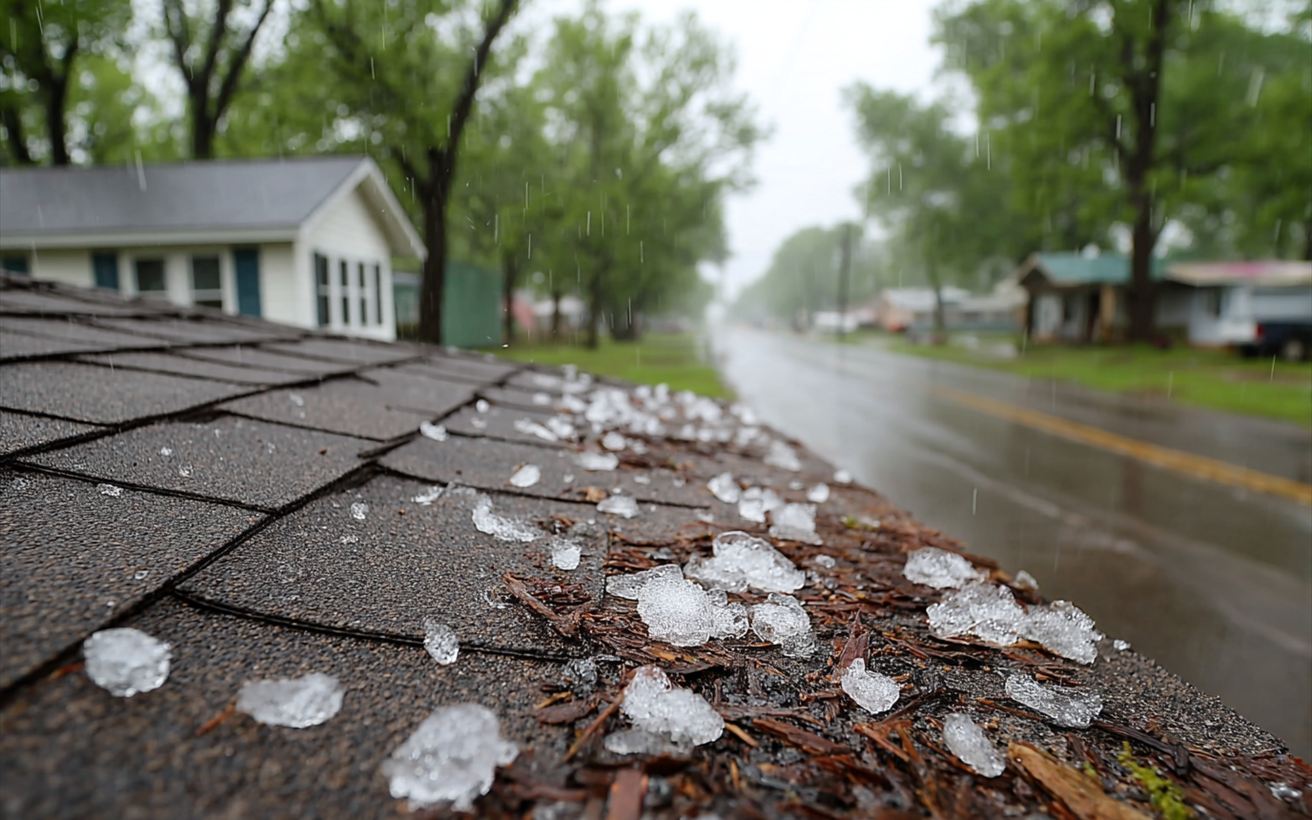
Hail and Wind Claims on a Texas Roof
Photos, deductibles and the adjuster's visit.
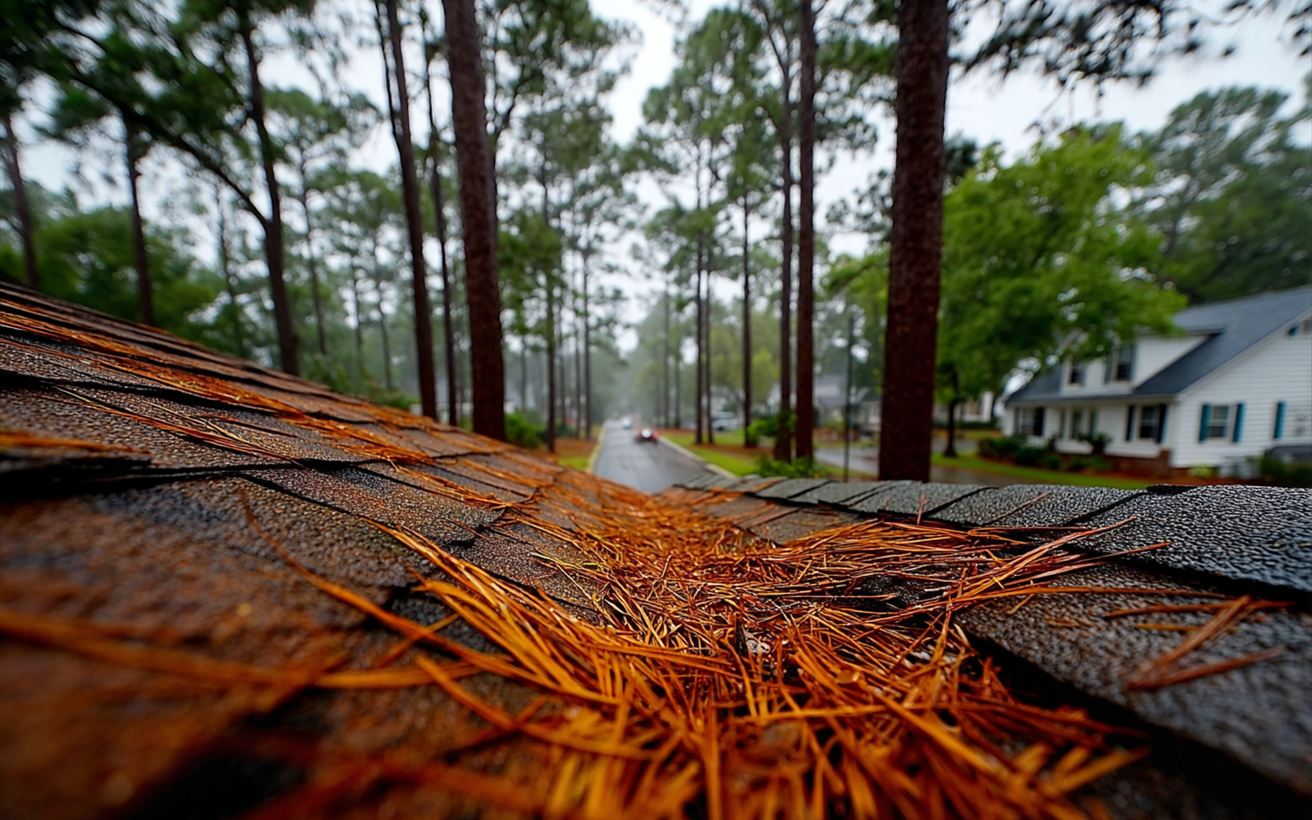
Pines, Limbs and Needles: Roofs Under the Piney Woods
What tall pines do to valleys, gutters and shingles.