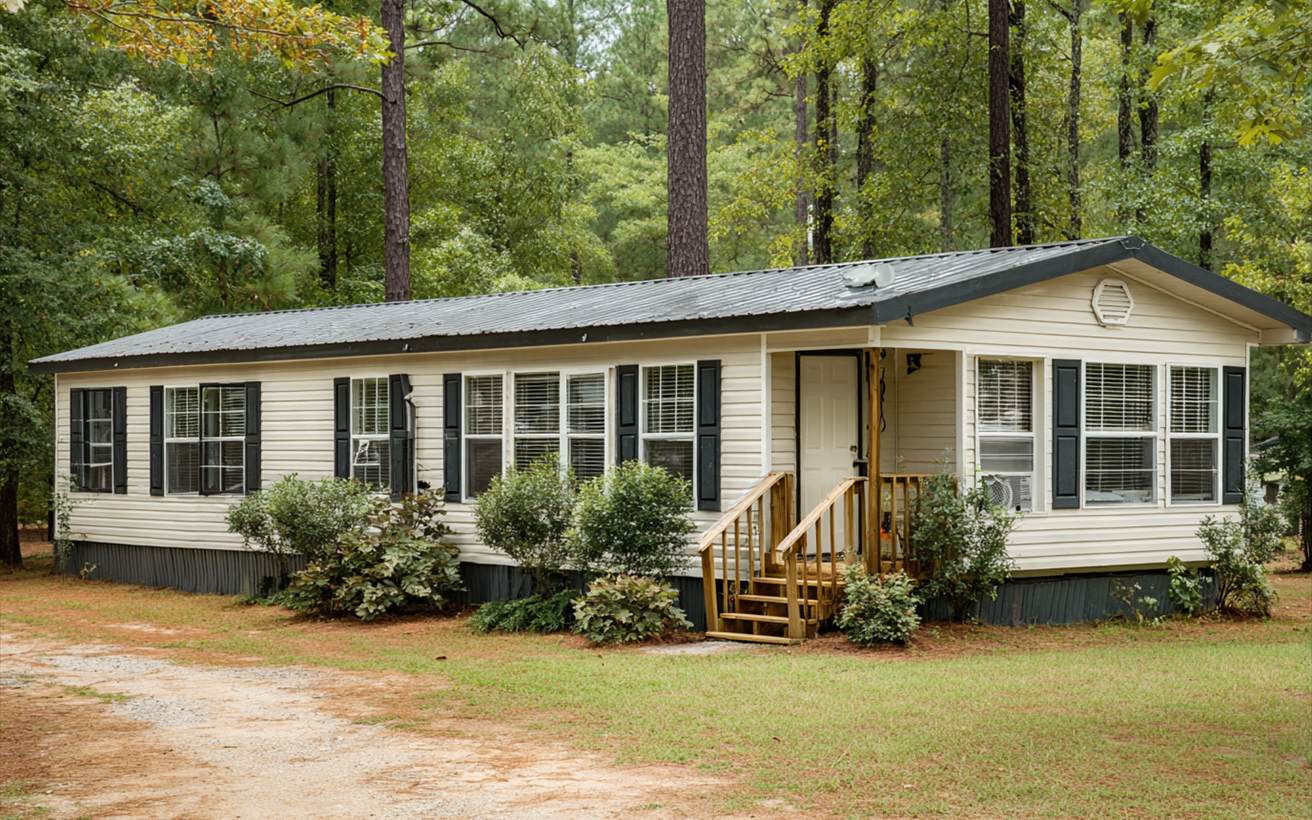
Manufactured homes are common on rural lots all around Huntsville, from Riverside to Coldspring to Onalaska. Their roofs are built differently from a site-built house, and they leak in their own ways. The good news is that there are well-established fixes, from a simple reseal to a full new roof built over the old one.
How Manufactured Home Roofs Are Built
Many manufactured homes have a low-slope roof: either a single sheet of metal running across the home, or a shingle roof on a shallow pitch. Some newer homes have steeper pitched shingle roofs that look like a site-built house. The low-slope roofs are the ones that leak most, because water drains slowly and the seams and fasteners are under constant stress as the metal expands and contracts in Texas heat.
Where They Leak
| Spot | Why |
|---|---|
| Seams | Sealant dries and cracks with heat and movement |
| Around vents and stacks | Flashing and sealant fail |
| Along the edges | Water runs under the edge trim |
| Where an addition or porch meets the home | Two structures move differently |
| Low spots | Water sits and finds any weakness |
What you see is often a stain along a ceiling seam, or water at the edge of a wall. What it usually means is a seam or penetration that needs resealing, or a roof that's ready for something more lasting.
Manufactured-home roof leaking?
One call for roofs around Huntsville: (936) 249-1840.
Call (936) 249-1840The Three Usual Fixes
1. Reseal. Clean and reseal seams, vents and edges. Inexpensive and quick, and a good fix for a roof that's otherwise sound. It needs repeating every few years.
2. Coat. A roof coating (often an elastomeric product) is applied over the whole metal roof, sealing seams and reflecting sun. It can extend the life of the roof and cool the home, and it needs recoating over time.
3. Roof-over. A new roof built on top of the existing one: a framing system that adds slope, then new metal or shingles on top. It sheds water much better, adds space for insulation, and can change the look of the home. It's the biggest investment of the three and often the last roof the home needs.
Choosing Between Them
| Situation | Usually fits |
|---|---|
| Sound roof, a few leaky seams | Reseal |
| Aging metal roof, many small leaks, hot interior | Coating |
| Repeated leaks, low slope, coated more than once already | Roof-over |
| Damage from a fallen tree | Repair the damaged section; consider a roof-over if the roof is old |
Weight and Wind
A roof-over adds weight, and manufactured homes have specific structural limits. A roofer who works on manufactured homes regularly should check the home's framing and follow the manufacturer's and any applicable guidelines. Tie-downs and anchors matter in high wind too; if yours haven't been checked in a long time, that's worth doing.
Questions
How often does a manufactured home roof need resealing?
Every few years, depending on sun exposure and the sealant used. Check after big storms too.
Does a roof coating stop leaks?
It can seal small leaks and seams, but it's not a fix for damaged or rusted-through metal.
Is a roof-over worth it?
On an older home with repeated leaks, often yes. It adds slope, insulation space and years of life.
Around Huntsville
Manufactured homes are common in rural areas around Riverside, Onalaska and Coldspring. Metal work is covered on metal roofing.
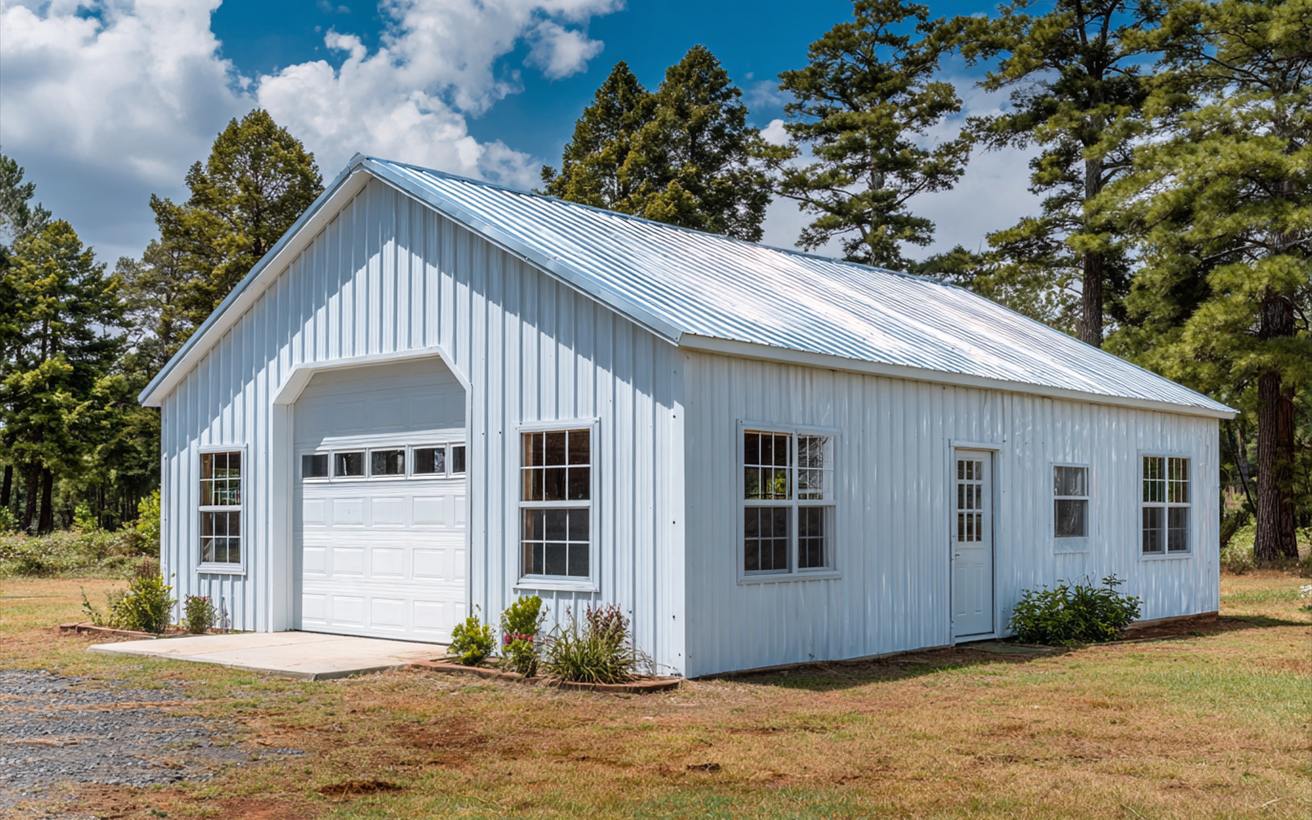
Barndominiums, Shops and Barns: Metal Roofs on Outbuildings
Screws, washers, condensation and spans.
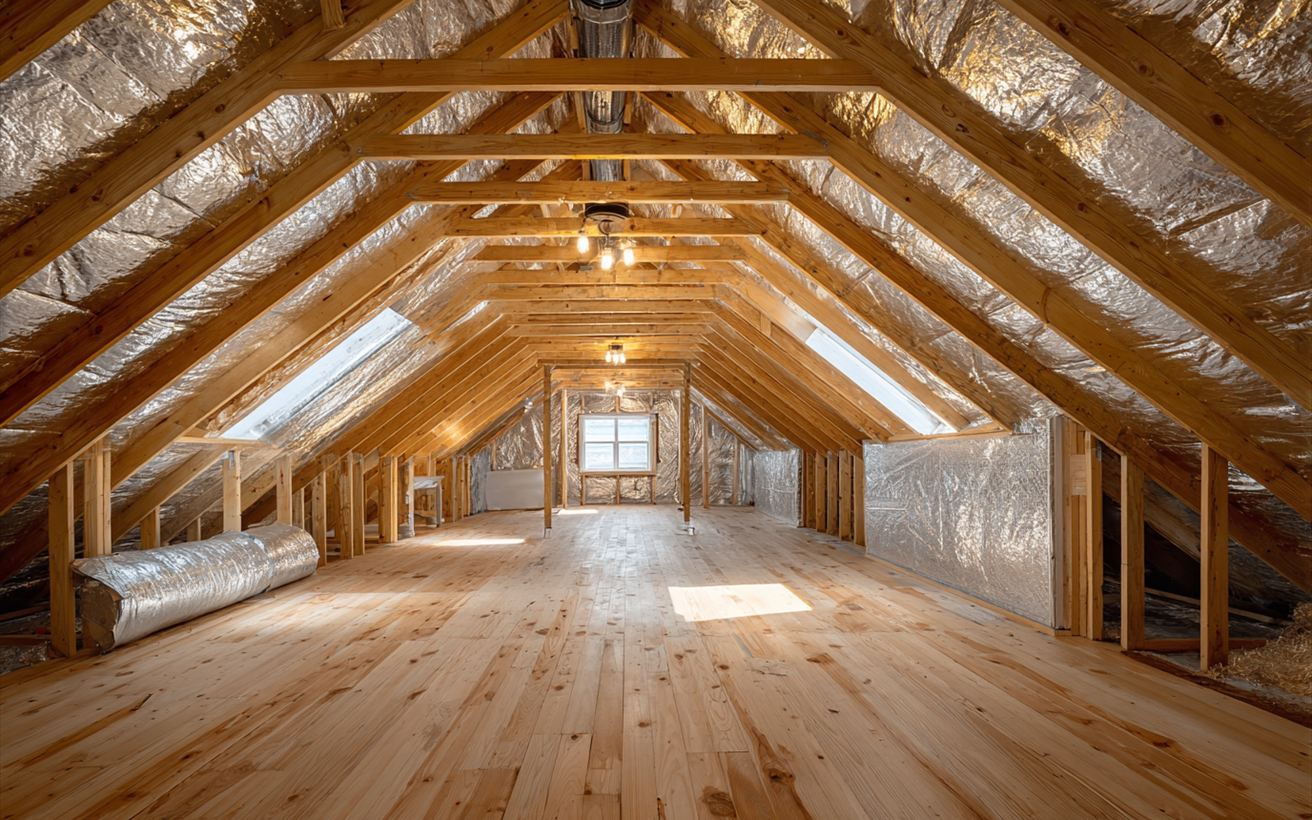
Attic Heat, Radiant Barriers and Shingle Life in Texas Summers
Why a hot attic ages a roof from below.